

The Secret of "Fire": Why Cut is the Most Important "C" in Lab-Grown Diamonds
The Secret of "Fire": Why Cut is the Most Important "C" in Lab-Grown Diamonds
When you first start shopping for a lab-grown diamond in the US or European markets, it鈥檚 easy to get caught up in the 'Big Carat' race. Everyone wants that breathtaking 2-carat or 3-carat look. But there is a silent killer of luxury that most buyers overlook: The Cut.
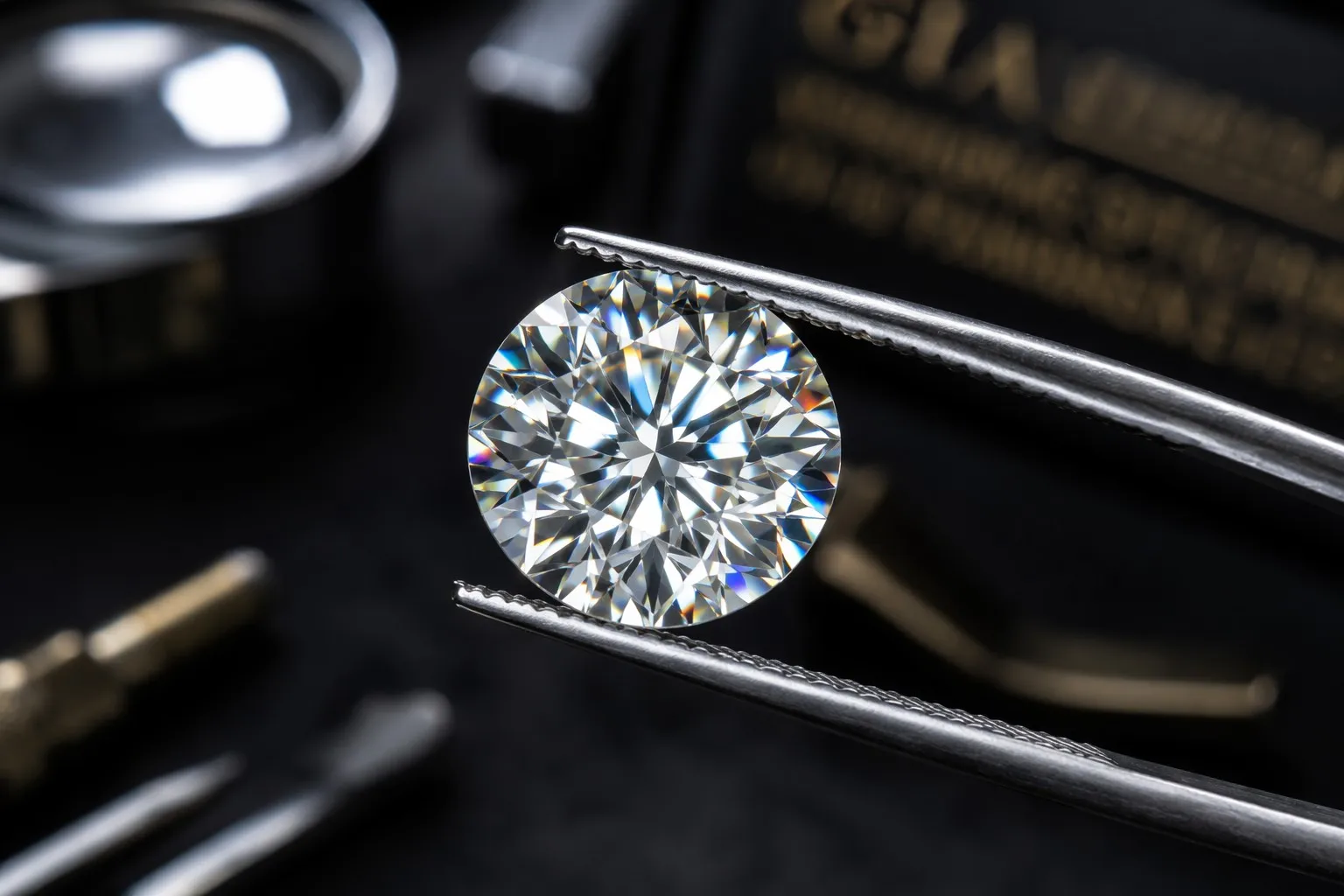
Why Carat is Weight, but Cut is Life
A diamond's Carat only measures how much it weighs. But the Cut determines how that diamond handles light. A lab-grown diamond with an 'Excellent' or 'Ideal' cut acts like a series of tiny mirrors, reflecting light back to your eye in a spectacular display of white light (brilliance) and rainbow colors (fire).
Conversely, a poorly cut diamond—even a large one—will leak light through the bottom or sides, leaving the center looking dark and 'dead.' This is the Visual Aesthetic Pain Point: buying a large stone that fails to sparkle.
The Pro's Secret: Proportions Over Parameters
- Depth & Table: For a Round Brilliant lab-grown diamond, look for a table percentage between 54-57% and a total depth of 61-62.5%. These are the 'Golden Proportions' for maximum fire.
- The "Hearts and Arrows": High-precision lab diamonds often feature 'Hearts and Arrows' symmetry, a sign of a master craftsman's work that ensures every facet is perfectly aligned.
- Certifications Matter: Always demand an IGI or GIA certificate that explicitly grades the Cut as 'Excellent' or 'Ideal.'
Ask an Expert: FAQ for High-Brilliance Seekers
Q: Will a lab-grown diamond pass a professional diamond tester?
A: Yes, absolutely. Because lab-grown diamonds are 100% carbon and share the exact thermal and electrical conductivity of mined diamonds, they pass all standard diamond testers. They are real diamonds, period.
Q: Does a better cut make the diamond look bigger?
A: Yes! A well-cut diamond reflects light all the way to the edges, whereas a 'deep' cut hides weight in the bottom of the stone where you can't see it. An Ideal cut 1.5ct stone often looks larger and brighter than a poorly cut 2ct stone.
Q: Why is there such a price difference between 'Very Good' and 'Ideal' cuts?
A: Cutting an 'Ideal' stone requires sacrificing more of the raw diamond crystal to achieve perfect symmetry. It's more expensive to produce, but it's the difference between a stone that glows and one that merely sits there.
Conclusion: Prioritize the Sparkle
If you have to choose between a slightly smaller stone with a perfect cut or a larger stone with a mediocre cut—always choose the cut. The sparkle is what people notice from across the room, not the carat weight.
Ready to see the difference? Explore our Hand-Selected Ideal Cut Collection and claim your fire today.
Exclusive Offer: Subscribe today and get our 'Diamond Proportions Cheat Sheet' to take with you when you shop!